
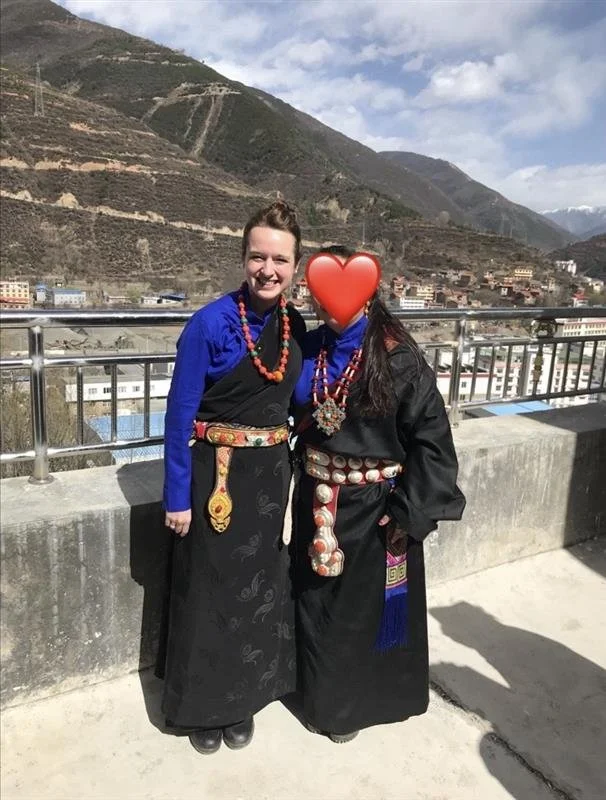
Missy Schack
Renew NW Direct Services Manager
At Renew Northwest, we seek to walk with our newest neighbors toward stability, flourishing and belonging. Our Direct Services Manager, Missy Huegel walks alongside immigrants and refugees as they rebuild their lives in the United States. Her understanding of this work is rooted not only in professional experience, but in her years spent navigating life as a foreigner in Asia.
The woman behind the counter was speaking quickly, pointing to a section of the form I didn’t understand. A line had formed behind me. I could feel their eyes on my back. I smiled politely, nodded as if I understood, and tried to piece together meaning from the few characters I recognized.
I had rehearsed for this. I thought I had brought all the right paperwork. But standing there in that government office in China, holding documents I couldn’t fully read, I felt the anxiety and frustration creep up in me as I realized the two hours it took to get to the visa office and wait in line was all in vain.
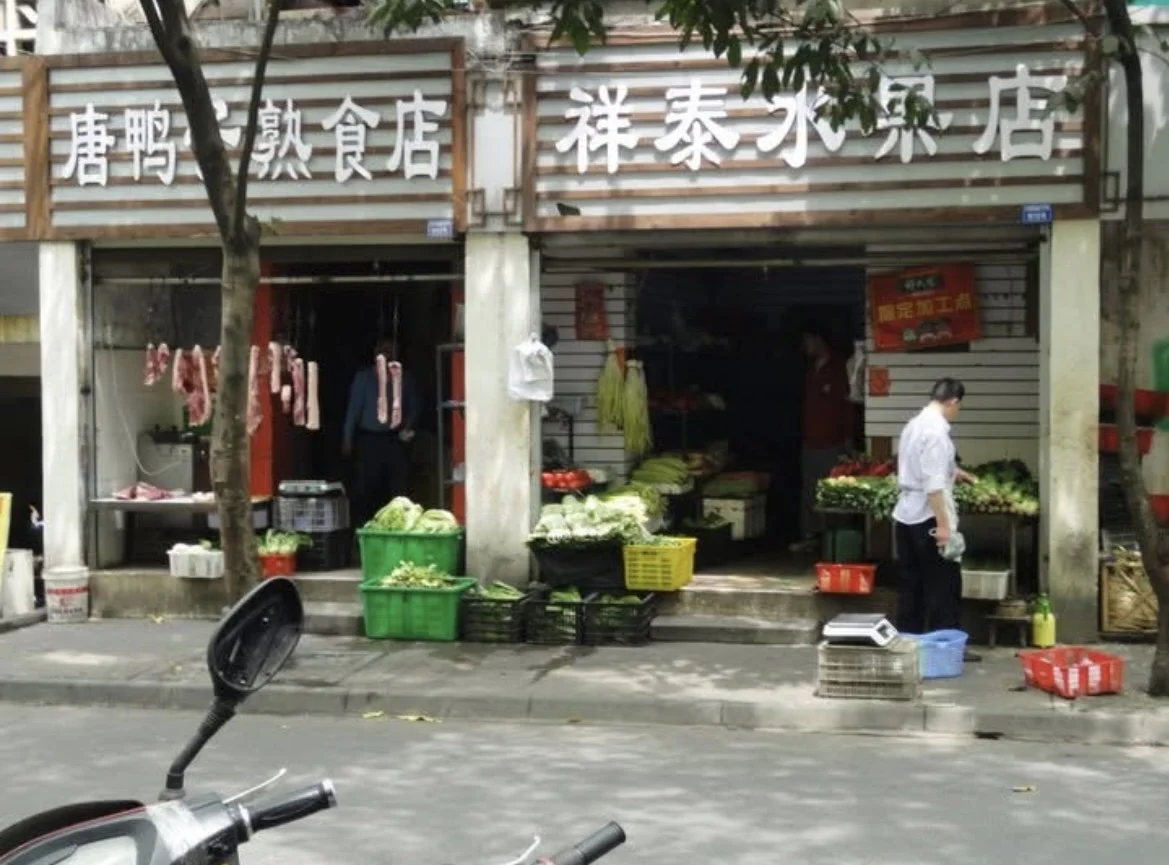
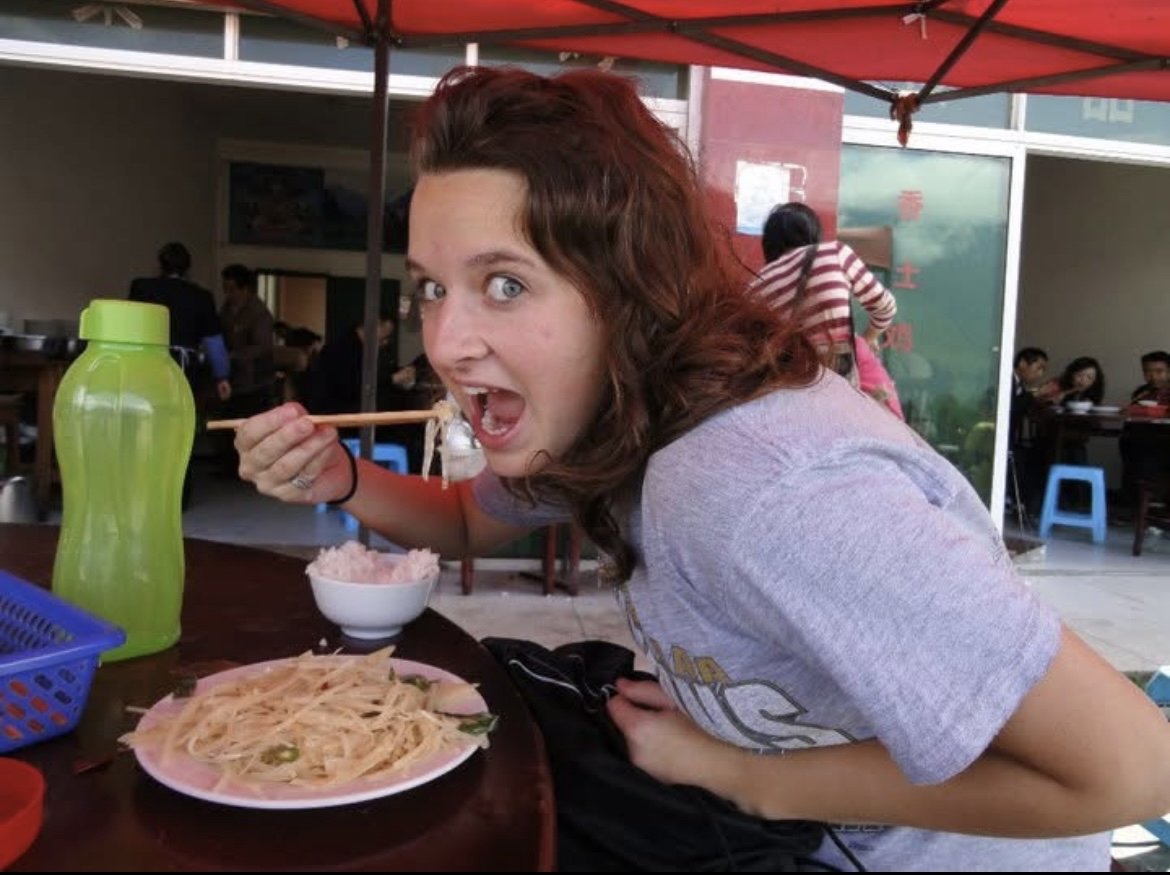
For seven years, I lived in China. It was transformative and stretching — but also disorienting. I remember rehearsing phrases before walking into a bank. I remember accidentally ordering soup with a chicken head in it. I remember the exhaustion of constantly translating — menus, contracts, social cues, humor. I never felt unsafe. But I often felt unsure.
There is a particular vulnerability that comes with not understanding the systems around you — when you can’t read the signs, when you don’t fully grasp the forms you’re signing, when you depend on someone else to explain what everyone else seems to instinctively know.
But here is what I understand now:
I was living as an expat. And that distinction matters.
I chose to move overseas.
I could move back at anytime.
I carried a passport that gave me protection.
If something went wrong, I could leave.
And there was another layer.
I was an American in China.
That meant my foreignness was often welcomed. People were curious. Strangers wanted to practice English. I was invited into classrooms and homes. My presence was associated with opportunity. Even when I struggled with the language, I was seen as interesting — even important. My foreignness elevated me. I was rarely viewed as a burden. I was not seen as a threat.
The narrative surrounding immigrants here in the United States often sounds very different.
Here, foreignness is frequently framed as a problem to solve. An issue to debate. A strain on the system to manage. The same vulnerability that made me interesting abroad can make someone suspect here.
Over the past two years working with immigrants, that contrast has become impossible to ignore.
I sit with parents enrolling their children in school while navigating forms in a language they are still learning. I watch families decipher medical bills and rental agreements. I see the fatigue of retelling painful stories to systems that require proof before offering stability and acceptance.
The vulnerability I tasted in small doses is their daily reality — layered with trauma, financial pressure, and uncertainty about the future.
When I misunderstood a document in China, it was inconvenient.
When an immigrants misunderstands one here, it can have massive impacts on their life.
That is the difference the privilege of choice makes.
Living abroad gave me empathy. Working with immigrants has given me reverence — for their resilience, their courage, and their determination to rebuild despite everything they have gone through.
I had the privilege of choice.
Many of the families we walk alongside did not.
This distinction fuels my desire to foster a community that rejects the common rhetoric around people who have come to our country and instead offers a response of dignity, patience, and the kind of welcome that says:
You belong here and you do not have to navigate this alone.
Not everyone has lived experience of what it feels like to be a foreigner, but we invite you to visit our resource page to learn more and to continue building empathy and understanding towards those who now find our community home.
