
The Human Cost of “One Big Beautiful Bill”
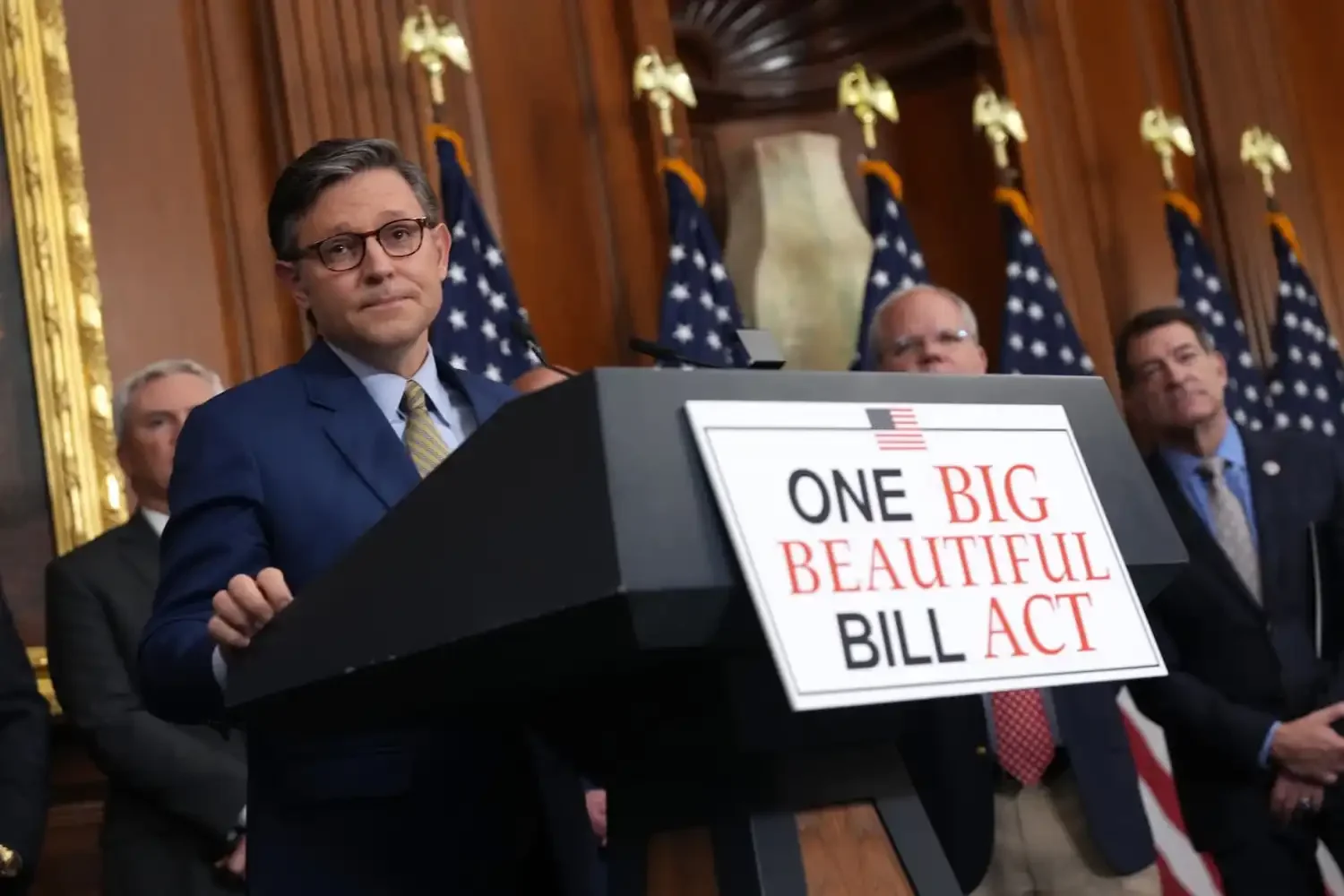
On October 1, "The Big Beautiful Bill Act" (House Resolution 1), will cause sweeping changes to Medicaid and Medicare eligibility across the nation. This means that health coverage is being stripped away from thousands of lawfully present, non-citizen immigrants, refugees, and humanitarian parolees. In Washington State alone 11,000 immigrants will lose Medicaid. Although the news around HR 1 can feel very distant from those who are neither immigrants nor reliant on government-sponsored health insurance, please know this: The lives of our neighbors are drastically impacted by this policy.
At Renew Northwest, we see the immediate, heartbreaking fallout of this legislation through the families we serve every day.

One of our clients, Nataliia, an elderly Ukrainian woman who arrived in Bellingham as a refugee in 2022, is one of those impacted by this policy. She did everything right, she has already applied for her green card. However, the system is deeply broken, and the average wait time for a green card is a staggering 36 months. While she waits in bureaucratic limbo, the safety net beneath her is being pulled away.
She lives on her own, managing severe chronic illnesses that require constant medical care, ongoing specialized treatments, and life-saving medications. She is unable to manage daily tasks independently, like cooking, cleaning and shopping, her daughter has been working as her paid in-home caregiver.
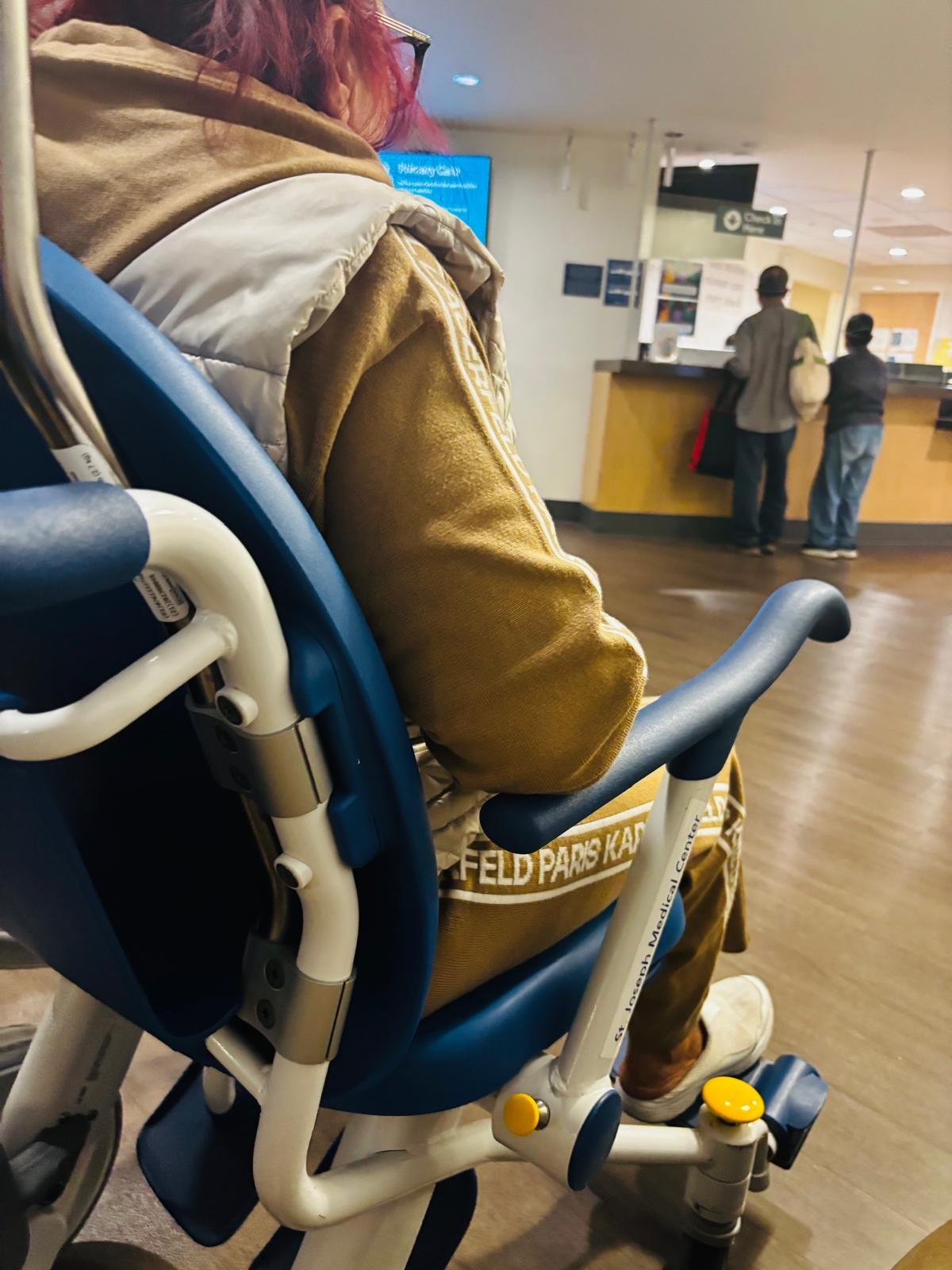
When H.R. 1 takes effect, Nataliia will not only lose her health insurance and access to her medications, but the funding for her in-home care will vanish entirely. The compounding impact of this policy creates a dilemma for the family. To compensate for the sudden loss of caregiving income and ensure they can still afford necessities like rent and food, Nataliia’s daughter will have no choice but to significantly increase her hours at a second job. While the daughter is away working extra hours to keep them afloat, her elderly mother will be left entirely alone in her apartment—without the daily assistance, medical supervision, and physical support she relies on.
The emotional toll of this uncertainty is crushing. The family shared with us that every time they read or watch the news, they are left feeling deeply depressed. Even when a small glint of hope appears, like a temporary insurance option to bridge the gap, there is also an expiration date. This new temporary coverage is only good until January, leaving them with just a few short months of breathing room.
When every solution is so severely limited, it is heartbreakingly difficult for them to see a long-term path forward. They are trapped in a cycle of short-term fixes while waiting on a multi-year federal backlog.
Nataliia’s story is tragic, but it is not unique. Her reality is shared by countless individuals right here in Whatcom County and across the nation. From the elderly to young children, too many of our neighbors are slipping through the cracks of a broken system. We must remember that Nataliia is just one face of a much larger issue and it's up to us as a community to change the narrative for the many who are still waiting for help.
We believe that healthcare is a human right, and no one deserves to be put in these impossible and seemingly hopeless situations. We are actively scrambling alongside local partners to explore alternative pathways, emergency assistance and community resources to patch together a safety net for our client. However, temporary patches cannot fix a systemic failure. We must continue to advocate for state-level solutions and emergency funding to protect those affected by these changes.
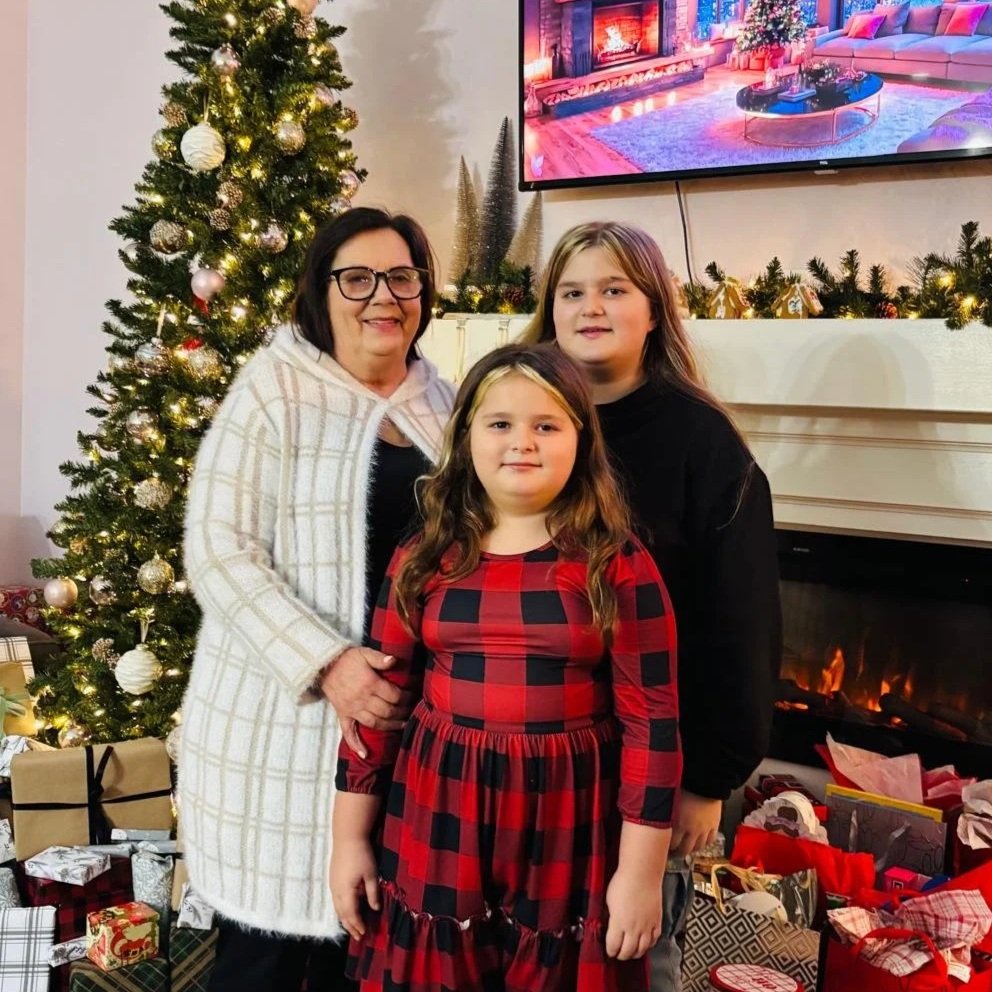
Nataliia with her granddaughters on Christmas 2025
