
Belonging: On the soccer field and off
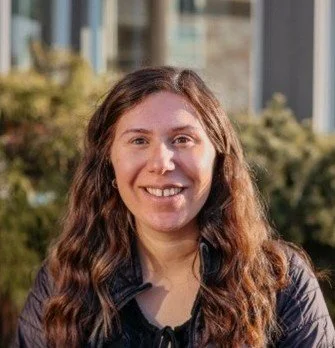
Charity Garza - Renew NW Community Engagement Manager
At Renew Northwest, we seek to walk with our newest neighbors toward stability, flourishing and belonging. Our Community Engagement Manager, Charity Garza, shares from her own life experience that the final part of our mission—creating a culture of belonging—is a journey that can take generations. Through our work of community engagement, we seek to cultivate a community that is informed, compassionate and equipped to pursue the wellbeing and belonging of all residents.
Scrolling through social media, I come across a video of a young boy in tears while telling his mom about being bullied on the soccer field by another child using anti-immigrant insults. The video is hard to watch, not only because of his pain, but because it reminds me of my own childhood experiences of being bullied in a small town for the same reasons.
As a kid I always loved being Mexican American. It was so fun having two sides of my family that were the same in most ways but different in other ways. I grew up with a million cousins (a slight exaggeration) and remember family parties happening what felt like every other week for someone’s birthday or just because the weather was nice. Getting older and realizing what my small town both thought silently and said out loud about people of color made me want to shrink parts of myself just to feel safe.
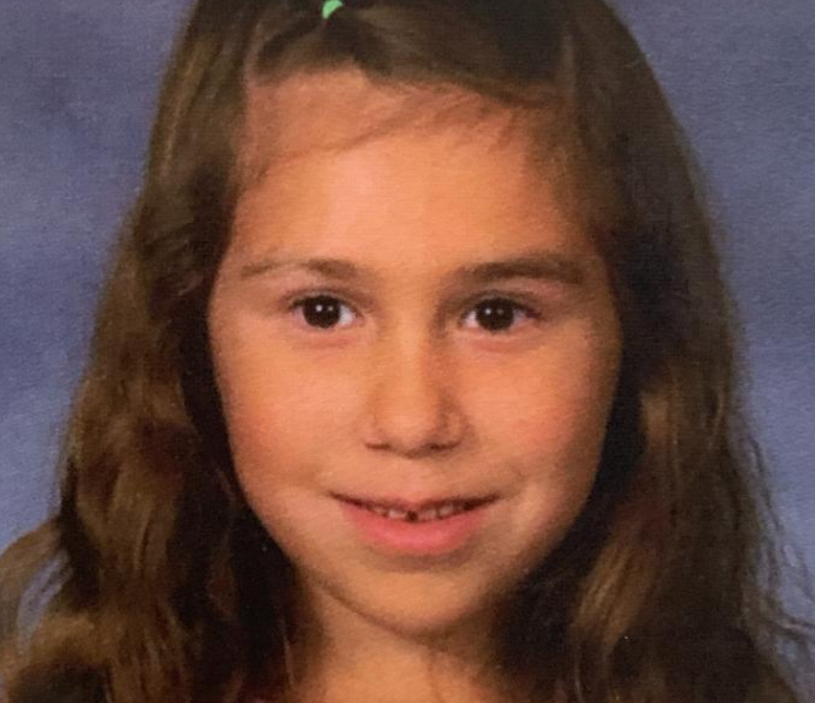
The first time I remember another child making fun of me for my skin color is when I was seven years old. I still remember standing in the Blaine Primary School Library with my 2nd grade class when one of my classmates called me “Charlie Brown.” I was confused and asked her why she called me that. She then pointed at my arm and said I have brown skin and laughed. I remember my friend who was standing with me seemed confused as well but laughed anyway. This might seem like harmless teasing, but the memory stuck with me and was the first time I noticed I was one of the few non-white kids in my school.
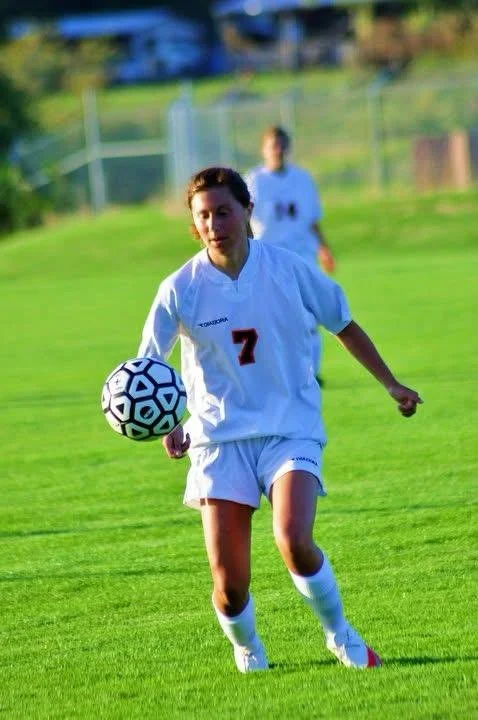
As primary and elementary school continued, most of the comments I heard from classmates about my race were similar to this and I learned to laugh when the other kids did. I never thought these jokes were funny, but I also was not usually offended or upset enough to say anything to my mom or teachers. Once I got to middle and high school, though, the jokes became more targeted about me being Mexican and I started to learn racial slurs for Mexicans. Specifically, I remember this mostly happening on the soccer field coming from the opposing team. I recall asking older cousins and friends at school what the slurs meant because I, of course, had never heard them before. Looking back, I wonder what those girls I played soccer against must hear at home to be using that language.
For a long time, I thought the best way to belong was to be quieter about who I was, to laugh things off, to not correct people, to not draw attention to the parts of me that felt “different.” But moments like the video of that young boy remind me that silence doesn’t make these experiences disappear, it just passes them on.
No child should have to learn how to endure hate before they learn how to be proud of who they are.
Today, when I see kids navigating the same kinds of comments and cruelty, I think about how powerful it would have been to grow up in a community where someone named what was happening and said clearly, “This is not okay and you belong here exactly as you are.”
Sharing these stories isn’t about reopening old wounds, it’s about making sure the next generation doesn’t have to carry them in the same way. Because when we speak openly about bias, about identity and about the ways words can harm, we also create space for empathy, courage, and a deeper sense of belonging for every child stepping onto a playground, into a classroom, or onto a soccer field.
If you’re interested in learning more about our work of community engagement at Renew Northwest and the ways that you and others can be involved, please reach out to us at info@renew-nw.org.
